AHS Freak Show's "Pink Cupcakes": A Confection of Betrayal, Identity, and Unraveling Violence
In the vibrant yet unsettling world of American Horror Story: Freak Show, few episodes encapsulate the season's dark heart quite like "Pink Cupcakes." Far from the whimsical delight their name suggests, these seemingly innocuous treats become a chilling emblem of poisoned innocence, deep-seated betrayal, and the brutal collision of fragile identities against escalating violence. Premiering on November 5, 2014, as the fifth episode of the fourth season, this pivotal installment, directed by Michael Uppendahl and penned by Jessica Sharzer, plunged viewers deeper into the sinister undercurrents threatening Elsa Mars's struggling 1950s sideshow.
The episode skillfully uses the motif of the pink cupcakes to unravel layers of character psychology and plot complexity, turning a symbol of celebration and sweetness into a harbinger of doom. It's a stark contrast to the joy associated with their real-world counterparts, like the delightful Homemade Pink Champagne Cupcakes: Moist, Soft, and Flavorful Guide, which promise only flavor and festivity. In Freak Show, these particular pastries signify a turning point where external threats and internal malice converge, exposing the raw vulnerability of the performers and the predatory nature of those who seek to exploit them.
The Sweet Deception: When "Pink Cupcakes" Became a Symbol of Betrayal
At the core of "Pink Cupcakes" lies a profound exploration of betrayal, personified most chillingly by the con artist Stanley. Driven by a lucrative, macabre deal to harvest and sell the bodies of the unique performers, Stanley infiltrates the freak show with a veneer of charm and false promises. His most direct act of perfidy in this episode is the attempt on the lives of the beloved conjoined twins, Bette and Dot Tattler, masterfully portrayed by Sarah Paulson. The instrument of his treachery? A batch of poisoned pink cupcakes.
This act is not merely a plot device; it's a thematic anchor. The very idea of using a sugary, visually appealing treat to deliver death underscores the insidious nature of betrayal. It preys on trust, offering something seemingly benign while harboring destructive intent. Stanley represents the ultimate outsider predator, viewing the "freaks" not as individuals with lives and souls, but as commodities. His actions ripple through the troupe, sowing distrust and suspicion, highlighting the constant vulnerability of those who exist on society's fringes. Beyond Stanley, betrayal also simmers within the troupe itself. Elsa Mars, the ambitious leader, grapples with her own jealousies and ruthless aspirations, constantly weighing her performers against her own dreams of stardom. Her simmering resentment towards the Tattler twins, fearing they might eclipse her, subtly positions her as a potential accomplice in their downfall, even if not directly involved in the poisoned pastries. This complex web of deceit and self-interest establishes an environment where danger lurks not just from external forces but also from within the supposed sanctuary of the freak show.
Unmasking Identity: Dandy, Bette, Dot, and the Freak Show's Struggle
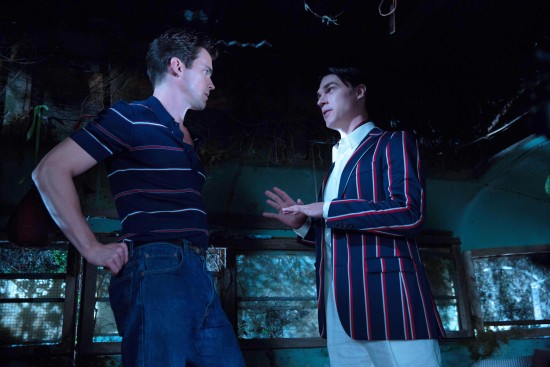
The episode "Pink Cupcakes" serves as a crucible for examining the intricate theme of identity, particularly through the lens of Dandy Mott and the Tattler twins. Dandy Mott, brilliantly brought to life by Finn Wittrock, begins to shed his veneer of pampered innocence, revealing the chilling depths of his burgeoning psychopathic tendencies. While he doesn't consume the poisoned pink cupcakes, his narrative arc in this episode—marked by his increasingly violent impulses and his mother Gloria's desperate, enabling attempts to contain him—parallels the subversion of innocence that the poisoned treats represent. Dandy's struggle is one of a warped identity, a child of privilege whose monstrous desires are now uncontainable, contrasting sharply with the troupe's fight for recognition and humanity.
For Bette and Dot Tattler, the poisoned pink cupcakes incident forces a profound confrontation with their shared and individual identities. Sarah Paulson's acclaimed dual performance vividly portrays the optimistic, naive Bette and the cynical, intellectual Dot. The threat to their lives compels them to reflect on their desires, their fears, and their complex bond. Do they have separate identities, or are they inextricably linked by fate? The shared brush with death amplifies their internal conflict, pushing them closer to understanding the true nature of their unique existence. Their story, like that of all the performers, is a testament to the broader struggle for identity within Freak Show: the fight to be seen, not as spectacles, but as people, despite societal prejudice. The episode emphasizes how these marginalized figures, often deemed "outsiders," continually assert their humanity in a world that seeks to exploit or erase them.
Escalating Violence and the Price of Ambition
Beyond betrayal and identity, "Pink Cupcakes" serves as a crucial inflection point for the escalating violence that defines American Horror Story: Freak Show. The attempt on Bette and Dot's lives is not an isolated incident but a chilling escalation that ripples through the entire community. It underscores the precarious existence of the performers, who are constantly under threat from both external predators like Stanley and the internal strife fueled by ambition and desperation.
The episode also intensifies interpersonal conflicts within the troupe, contributing to the rising tension. The tumultuous relationship between strongwoman Desiree Dupree (Angela Bassett) and her husband, Dell Toledo (Michael Chiklis), further illustrates the internal threats. Their strained dynamic, fraught with secrets and control, is another layer of the community's unraveling. Dell's own violent tendencies and his desperate attempts to maintain control contribute to the atmosphere of fear and uncertainty. The symbolic weight of the pink cupcakes, initially meant to appear harmless, becomes a stark reminder that violence can manifest in unexpected forms, often cloaked in sweetness or familiarity.
This episode perfectly encapsulates the season's broader narrative, which explores the exploitation of societal outcasts in a post-World War II era where traditional sideshows were fading. The characters, already struggling against the prejudice of the outside world, now face imminent danger from within their own ranks and from those like Stanley who seek to profit from their perceived "otherness." The increasing violence reflects the brutal reality of their lives and the devastating price paid for ambition, both by those who seek power and those who are exploited for it.
The Legacy of "Pink Cupcakes": A Pivotal Episode in AHS History
The impact of "Pink Cupcakes" extended far beyond its initial airing. It was a critical and commercial success, watched by 4.22 million U.S. viewers upon its premiere and earning a robust 2.1 rating in the 18-49 demographic. More importantly, it solidified its place as a cornerstone of Freak Show's narrative. Critics and fans alike praised its horror elements, the atmospheric tension it created, and its compelling character-driven drama, reflected in its generally positive 7.7/10 IMDb rating from thousands of users. A significant part of this acclaim was directed at Sarah Paulson's exceptional dual performance as Bette and Dot, which showcased her remarkable emotional range and technical prowess, making their near-fatal encounter with the pink cupcakes all the more harrowing.
This episode brilliantly set the stage for the rest of the season, solidifying character arcs and foreshadowing the deeper horrors to come. It's an excellent example of how The Pivotal "Pink Cupcakes" Episode: AHS Freak Show's Dark Undercurrents effectively employed horror tropes to explore profound social issues. The subversion of a sweet treat into a deadly weapon became a powerful metaphor for the season's broader themes of exploitation and the fragility of innocence in a corrupt world. It demonstrated AHS's unique ability to blend historical inspiration with supernatural and psychological horror, leaving a lasting impression on the anthology series's rich tapestry.
For those interested in the power of storytelling, "Pink Cupcakes" offers invaluable lessons: how to imbue everyday objects with sinister meaning, how to craft multi-layered betrayals, and how to use pivotal moments to accelerate character development and thematic exploration. It underscores that sometimes the most terrifying monsters are not supernatural, but all too human.
Conclusion
The "Pink Cupcakes" episode of American Horror Story: Freak Show is far more than just another installment in a horror anthology; it is a meticulously crafted narrative that distills the season's core themes into a single, chilling symbol. Through the guise of a sweet confection, the episode unravels a complex tapestry of betrayal, forces characters to confront their identities, and accelerates the season's descent into pervasive violence. It serves as a stark reminder that in the world of Jupiter's last freak show, beauty can mask malevolence, and the most innocent of offerings can harbor the darkest of intentions. The legacy of these particular pink cupcakes is etched in the memory of AHS fans, a testament to the power of a single object to encapsulate an entire season's psychological terror and social commentary.
